top of page
Beautiful French Town

The towns and villages of France

  • 32
    Page 7
Capbreton is more than just its coastline; it's also a gateway to the Landes countryside.

Forest Trails: Miles of cycle paths and footpaths wind beneath the maritime pines, offering shade and coolness.

Hossegor Marine Lake: Located on the immediate edge of Capbreton, this tidal lake is perfect for paddleboarding or enjoying oysters directly from the producers.

The Boudigau: This peaceful little stream that flows through the town is ideal for a leisurely kayak or bike ride along its landscaped banks.

Capbreton

The Pier and the Fishing Port

Behind the seaside resort lies a typical Breton village, rich in architecture and welcoming atmosphere.

Saint-Cornély Church: A jewel of the Breton Renaissance, famous for its painted vaults and majestic porch, dedicated to the patron saint of horned animals.

The Sacred Fountains: Scattered around the town, these ancient fountains are the site of traditional pardons (religious festivals) and bear witness to Breton devotion.

Hiking Trails: Between land and sea, the coastal paths and inland trails offer the chance to discover a more intimate Brittany, made up of stone walls and flowering heaths.

Carnac

The Sanctuary of the Stone Giants

Leaving the riverbanks behind, you climb towards the historic heart of the city to discover a town that has stood the test of time.

The Collegiate Church of Saint-Michel: This imposing building in the Southern Gothic style impresses with its cathedral-like dimensions and its bell tower that dominates the valley.

The Présidial: A former courthouse built under Catherine de Medici (then Countess of Lauragais), this historic building now houses a museum that traces local history, from Roman times to river archaeology.

The alleyways of the Upper Town: A maze of narrow streets where you'll discover half-timbered houses and elegant townhouses, testaments to the former wealth linked to the trade in woad and grain.

Castelnaudary

The Grand Basin: The Mirror of the Canal du Midi

The Saône River is the lifeblood of the city. Its landscaped quays invite contemplation and leisurely strolls.

Saint-Laurent Island: Connected to the city center by the Saint-Laurent Bridge, this island is the gourmets' quarter. Its main street is lined with renowned restaurants where you can savor regional specialties.

The Deanery Tower: Located on the island, this 15th-century tower was moved and rebuilt here by an antique dealer in the early 20th century. It presents a unique silhouette on the waterfront.

River Tourism: The marina reflects the vibrant activity of the river. You can rent boats or embark on a narrated cruise to see the city from a different perspective.

Chalon-sur-Saône

The Saint-Vincent Quarter: The Medieval Heart

Although rarely inhabited, Chambord has been the setting for lavish royal stays and significant historical events.

The Salamander Emblem: Everywhere, on the ceilings and walls, visitors can search for the salamander, emblem of Francis I, accompanied by the motto "Nutrisco et extinguo" (I nourish and I extinguish).

Francis I's Lodgings: Here, one discovers the king's private quarters, with richly furnished rooms and monumental tapestries that once warmed the vast stone spaces.

The Refuge of the Arts: During the Second World War, Chambord served as a secret refuge for thousands of works of art from national museums, including the famous Mona Lisa, protecting them from looting.

Chambord

Architecture: A Dream of Stone and Genius

A visit to Carcassonne is also a culinary journey to a land of gastronomy and conviviality.

Carcassonne Cassoulet: An iconic dish made with white beans, confit goose, and red-legged partridge, slowly cooked in a terracotta casserole dish.

Languedoc Wines: Take advantage of the proximity of the Malepère and Cabardès vineyards to taste distinctive wines directly from local winemakers.

The Cité's Sweets: Indulge in the cobblestones of the citadel or the artisanal chocolates that have made the local confectionery famous.

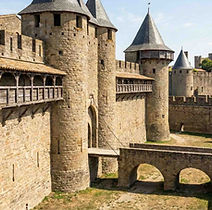
Carcassonne

The Medieval City and its Ramparts

Dominating the village to the east, Cap Canaille is one of the highest sea cliffs in Europe.

The Route des Crêtes (Crest Road): This winding road connects Cassis to La Ciotat. It offers breathtaking views of the bay and the Riou archipelago.

Vibrant Colors: Unlike the white limestone of the calanques, Cap Canaille is composed of sandstone and puddingstone with reddish hues that literally blaze at sunset.

A Climbing Paradise: Its steep cliffs are a favorite playground for climbers from all over the world.

Cassis

The Port: The Beating Heart of the Village

Adjacent to the Goya Museum, this garden is one of the finest examples of topiary art in France, classified as a "Remarkable Garden."

Le Nôtre's Design: Designed by Louis XIV's gardener, the garden features boxwood parterres whose stylized motifs, according to legend, evoke the Languedoc Cross.

A Poetic Geometry: Between stone basins and perfect vistas, the garden invites quiet contemplation, offering a verdant respite in the heart of the city.

The View of the Agoût River: From the upper terrace, one enjoys a breathtaking view of the river and the historic tanneries district on the opposite bank.

Castres

The Houses on the Agout: The Symbol of the City

Walking along the banks, you'll discover small architectural structures called "follies," designed to surprise visitors.

The Water Buffet: A restored stone structure where water cascades down before joining the canal. It's one of the most photographed spots in the park.

The Orangery: Located near the water, this brick building serves as an exhibition and concert venue, its facade reflected in the still areas of the water system.

The Icehouse: A historical curiosity located near the wetlands, where ice harvested from the canal in winter was once stored. The English-style Park and its Winding Rivers

Chamarande Castle

The Castle and its Royal Perspective

It's impossible to visit Chambéry without paying homage to "the four without bottoms," the city's most famous and most photographed monument.

A Tribute to the Count de Boigne: Erected in 1838, this monumental fountain celebrates the exploits in India of General-Count de Boigne, a great benefactor of the city.

A Unique Structure: Four cast-iron elephant forequarters appear to emerge from a stone column topped with a statue of the Count. The absence of the animals' hindquarters gave rise to their popular and affectionate nickname.

Gateway to the City Center: Located at the junction of the modern city and the historic district, it serves as the ideal landmark to begin any visit.

Chambéry

The Castle of the Dukes of Savoy: The Heart of Power

  • 32
    Page 7
bottom of page