top of page
Beautiful French Town

The towns and villages of France

  • 32
    Page 11
Dijon is the gateway to the prestigious Côte de Nuits. Here, food is sacred, and local produce is elevated to an art form.

Dijon Mustard: Visit the historic shops to discover this world-renowned condiment, often available in surprising flavors.

The Central Market Hall: A covered market under an Eiffel-style metal structure, where local producers offer gingerbread, blackcurrants, and Cîteaux cheeses.

The City of Gastronomy: A modern venue dedicated to the "gastronomic meal of the French," combining exhibitions, tastings, and prestigious wine cellars.

Dijon

The Palace of the Dukes and Estates of Burgundy

English influence has left an indelible mark on the city's culture and events.

The British Film Festival: Every autumn, the city rolls out the red carpet for the best of British cinema. The statue of Alfred Hitchcock, nestled on the promenade, is a reminder of this enduring connection with the art of film.

The Casino Barrière: With its majestic façade facing the sea, it embodies the glamour of Dinard's evenings, where people come to try their luck in a cinematic setting.

The Art of Living: Between the art galleries in the city center, the luxury boutiques, and the antique shops, Dinard cultivates a refinement that captivates aesthetes from around the world.

Dinard

The Villas of the Belle Époque: A Dazzling Heritage

You can't leave Dole without having tasted the bountiful terroir of Franche-Comté.

The Covered Market: Located opposite the Collegiate Church, this Baltard-style market is the beating heart of local gastronomy. Here you'll find Comté and Morbier cheeses, Jura wines (Vin Jaune, Vin de Paille), and cured meats from the Haut-Doubs region.

The "Dole à Croquer" Pass: An original initiative allowing you to sample local specialties from local artisans while exploring the city.

Gastronomic Restaurants: With several Michelin-starred chefs and charming bistros, Dole is a must-visit for food lovers, blending Franche-Comté tradition with modern creativity.

Dole

Architectural Heritage: A Journey Through Time

Eguisheim is considered the historical cradle of the Alsatian wine region. Vines have been cultivated here since Roman times on exceptional clay-limestone soils.

The Grands Crus Wine Trail: Starting from the village, this educational walking trail winds through the vineyards on the sub-Vosges hills. It allows visitors to discover the two prestigious classified terroirs of the commune: Eichberg and Pfersigberg, which produce fine wines.

The Historic Wine Cellars of the Winemakers: Eguisheim is home to dozens of family estates located within the very walls of the town. Stepping into a centuries-old stone cellar offers an introduction to tasting the seven Alsatian grape varieties (Riesling, Gewurztraminer, Pinot Gris, etc.) amidst sculpted oak casks.

The Fête des Vignerons (Last weekend of August): This is one of the oldest and most authentic wine festivals in the region. For one weekend, tithe barns and alleyways open up to the sound of folk music, parades of flower-covered floats and convivial tastings, celebrating the know-how of the winemakers.

Eguisheim

Castle Square and the Memory of Pope Leo IX

The city is a veritable open-air museum for enthusiasts of 19th and 20th-century architecture.

Lakeside Villas: Strolling along the avenues bordering the lake, you'll discover homes in eclectic styles: Neo-Gothic, Swiss, Moorish, and Art Deco.

The Shopping Center: Luxury boutiques, antique shops, and gourmet food stores line the clean, flower-filled streets, reminiscent of the spirit of grand spa towns.

The Rose Garden: A romantic green oasis boasting dozens of rose varieties, offering an ideal setting for reading or photography.

Enghien-les-Bains

Lake Enghien, Mirror of Serenity

Dinan boasts the longest medieval ramparts in Brittany, offering exceptional views of the region.

Dinan Castle: This imposing 14th-century keep, the work of Duke John IV, is a masterpiece of medieval military architecture. Its vaulted kitchens and state room bear witness to court life during the time of the dukes.

The Clock Tower: A symbol of bourgeois power in the 15th century, it offers, from its 45-meter height, a breathtaking panorama of the city's rooftops and the meanders of the Rance River.

The Promenade of the Little Ditches: This path along the ramparts allows visitors to admire the massive towers and the magnificently preserved curtain walls, offering a complete immersion in the city's defensive past.

Dinan

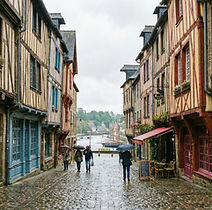
The Historic Quarter and the Art of Half-Timbering

The Disneyland experience wouldn't be complete without the artistic performances that bring the resort to life.

The Disney Parade: A daily procession of monumental floats and iconic characters, a celebration of music and color that winds its way through the walkways of the main park.

Disney Illuminations: A spectacular nighttime show projected onto the castle, combining fireworks, water features, lasers, and film clips for a moving finale to the day.

Stage Shows: Broadway-caliber theatrical productions, such as The Lion King and Rhythms of the Pride Lands, featuring original choreography and music.

Disneyland Paris

Disneyland Park, the Enchanted Kingdom

Dunkirk has successfully transformed its industrial wastelands into internationally renowned creative hubs.

The LAAC (Contemporary Art and Action Center): Nestled in a sculpture garden by the water, this museum, with its white brick architecture, houses works of Pop Art and Nouveau Réalisme (Appel, César, Niki de Saint Phalle).

The FRAC Grand Large: Located in the "Halle AP2," a former shipyard, this building is an architectural marvel: an immense transparent glass shell facing the sea.

Le Design Actuel: The temporary exhibitions here are often avant-garde, making Dunkirk a must-see destination for modern art enthusiasts.

Dunkirk

Malo-les-Bains: The "Queen of Beaches" of the North

Embrun's historic heart rests on a vertiginous cliff that served as its natural rampart for centuries.

Notre-Dame-du-Réal Cathedral: This is the most beautiful religious building in the French Alps. Its two-tone architecture (alternating white limestone and black schist) and its porch flanked by columns supported by lions make it a masterpiece of Lombard Romanesque art.

The Cathedral Treasury: Housed in the former sacristy, it contains one of the richest collections of priestly vestments, illuminated manuscripts, and liturgical silverware in Europe.

The Tour Brune: This massive, square, 12th-century former episcopal keep now offers a museum space dedicated to the local landscape and geology, crowned by a 360° panoramic view of the valley.

Embrun

A Historic Heart in Southern Colors

Perched on a hill overlooking the old town, the site of Épinal Castle is a favorite walking spot for locals and offers breathtaking views.

The ruins of the medieval fortress: Built in the 13th century by the bishops of Metz, the fortified castle was dismantled by the troops of Louis XIV in 1670. Today, the impressive stone remains, its corner towers, and deep moats create a captivating historical trail.

The Wildlife Park and Gardens: The former defensive terraces now house a vast landscaped park featuring a medicinal herb garden, a fragrant rose garden, and a wildlife area where goats, fallow deer, and peacocks can roam freely.

The panoramas over the Moselle: From the esplanade of the castle, the view encompasses the entire Moselle valley, the roofs of the basilica, the course of the river and the dark line of the great Vosges forests that encircle the horizon.

Epinal

Old Épinal and its historical heritage

  • 32
    Page 11
bottom of page