
Saint-Émilion

Perched on its limestone promontory in the heart of the Bordeaux region, Saint-Émilion is much more than a name on a prestigious wine label. It's an open-air museum, a medieval town draped in golden vines where every cobblestone, every alleyway, and every cellar whispers two thousand years of history. A UNESCO World Heritage Site for its unspoiled cultural landscapes, this gem of Aquitaine offers an unforgettable sensory journey.
Liquid gold – A legendary vineyard and its terroir
The vineyard landscape of the Jurisdiction of Saint-Émilion was the very first to be recognized by UNESCO. Here, vines shape the horizon as far as the eye can see.
The Blend of Excellence: The terroir of Saint-Émilion draws its richness from varied soils (limestone, clay, and sand) and showcases the Merlot grape, blended with Cabernet Franc and Cabernet Sauvignon. This results in wines that are round, powerful, and have great aging potential.
Exceptional Châteaux: Dozens of estates surround the town. From authentic family properties to prestigious Grands Crus Classés (such as Château Ausone or Château Cheval Blanc), most open their doors for château tours and educational tastings.
The Wine House: Located in the heart of the village, it offers a perfect introduction to the mosaic of local appellations and allows you to understand the unique classification of Saint-Émilion wines, revised every ten years.

The Heart of Rock – The Underground Mysteries

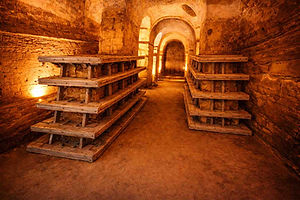
Beneath the visitors' feet lies an incredible labyrinth of limestone galleries, shaped by human hands over the centuries. The town's history has been written as much underground as above ground.
The Monolithic Church: This is the absolute masterpiece of Saint-Émilion. Carved entirely from the limestone rock at the end of the 11th century, it is one of the largest underground churches in Europe. Its gigantic proportions and mystical twilight are breathtaking.
The Hermit's Cave (Émilion's Cave): The refuge of the Breton monk Émilion, who settled here in the 8th century and gave his name to the village. Visitors can discover his bed of rock and his "fertility seat," the subject of many local legends.
The Catacombs: Located next to the cave, these former quarries turned burial sites reveal fascinating details about medieval funeral rites, with magnificent sculpted domes.

The Medieval Heights – Open-Air Architecture
As you ascend to the surface, Saint-Émilion reveals a rugged landscape crisscrossed by winding alleyways and imposing defensive monuments.
The King's Tower: This 13th-century keep is the only Romanesque castle still intact in the Gironde. From its terrace, the Jurade of Saint-Émilion proclaims the "Harvest Proclamation" each year.
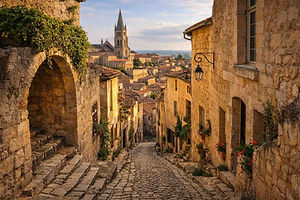
The "Escalettes" and Paved Alleyways: These very steep medieval alleyways (locally called escalettes or tertres) are paved with stones that once served as ballast for English ships that came to collect wine. They are incredibly charming, but good shoes are essential!
The Cordeliers Cloister: A romantic and verdant haven of peace. The ruins of this Franciscan monastery blend ancient stones with wild vegetation. It's the perfect place to enjoy a glass of local sparkling wine in the shade of the cloister.


Gastronomy and culinary delights
A visit to Saint-Émilion wouldn't be complete without experiencing the culinary traditions that so perfectly complement its fine wines.
Authentic Saint-Émilion Macarons: These are nothing like the colorful Parisian macarons. Created in 1620 by the Ursuline nuns, these soft biscuits made with sweet almonds, egg whites, and sugar follow a secret recipe unchanged for centuries.
Regional Cuisine: The town's restaurants showcase classic Southwestern French dishes: entrecôte à la bordelaise cooked over vine shoots, lamprey à la bordelaise simmered in red wine, and local foie gras.
Wine Shops and Michelin-Starred Restaurants: The village abounds with shops run by passionate wine merchants where you can discover rare vintages, as well as shaded terraces and gourmet restaurants nestled in rustic stone settings.

The Green Escape – Hiking and Panoramic Views
Around the ramparts, nature invites you to disconnect and offers the most beautiful views of the sea of vines.
The View from the Cloister of the Collegiate Church: A magnificent 12th-century cloister adjoining the tourist office, offering a serene setting and remarkable Gothic architecture.
Hiking and Cycling Trails: Numerous marked paths allow you to explore the vineyards on foot or by bike. It's an opportunity to discover hidden Romanesque churches, dovecotes, and old stone mills.
The Little Train of the Great Vineyards: For an effortless and fun family outing, this tourist train winds its way between the appellation's most famous wine estates, offering immersive historical commentary.
Conclusion
Saint-Émilion is a timeless haven where the beauty of the stone meets the nobility of the land. Whether you're a wine connoisseur, a medieval history enthusiast, or simply a traveler seeking poetic landscapes, the town captivates hearts and awakens the senses. Spending a day there (or better yet, watching the sun set over the golden stones) remains one of the most cherished memories the Bordeaux region has to offer.
Tourist Office of Greater Saint-Émilion
Information Regarding Visuals: This website uses computer-generated images and illustrations created by artificial intelligence for atmospheric and stylistic purposes. These representations are not actual photographs and are strictly non-binding.