top of page

The 4th arrondissement

The 4th arrondissement bears witness to the golden age of French administration and revolutions.

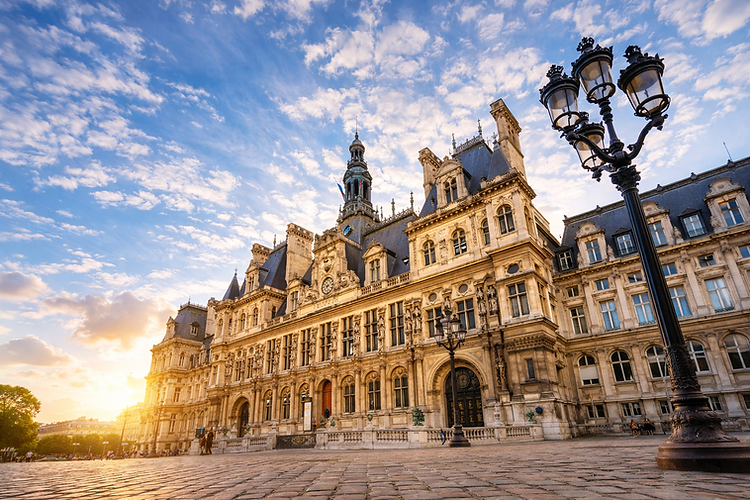
City Hall: A magnificent Neo-Renaissance palace. Its plaza hosts numerous exhibitions and cultural events throughout the year.

Place de la Bastille: Located on the edge of the arrondissement, it symbolizes liberty. Here, one can admire the July Column and the imposing Opéra Bastille.

Saint-Jacques Tower: The only remaining vestige of a 16th-century church, this flamboyant Gothic bell tower stands like a solitary beacon in the middle of a garden, offering an unforgettable climb for the more adventurous.

The 4th arrondissement is a crossroads of eras. Between the Gothic towers of Notre-Dame and the colorful pipes of the Centre Pompidou, it embodies the constant metamorphosis of Paris. The seat of municipal power and the spiritual heart of France, it is also a vibrant district, renowned for its artistic communities, its historic Jewish heritage, and its festive culture. A stroll through the 4th is an immersion in the most iconic Paris, where every stone tells an epic story.

Île de la Cité and Île Saint-Louis: Jewels of the river

The 4th arrondissement begins on the water, where Paris was born and where the air seems fresher than anywhere else.

Notre-Dame Cathedral: An absolute masterpiece of Gothic architecture, it stands proudly on the square in front of the cathedral, a testament to its spectacular resurrection.

The Queen Elizabeth II Flower Market: A pavilion of iron and glass where you can stroll amidst rare flowers and birdsong, just behind the courthouse.

Île Saint-Louis: An oasis of calm lined with opulent private mansions. Here, you can savor the famous Berthillon ice cream while admiring the apse of Notre-Dame from the Pont Saint-Louis.

The 4th arrondissement bears witness to the golden age of French administration and revolutions.

City Hall: A magnificent Neo-Renaissance palace. Its plaza hosts numerous exhibitions and cultural events throughout the year.

Place de la Bastille: Located on the edge of the arrondissement, it symbolizes liberty. Here, one can admire the July Column and the imposing Opéra Bastille.

Saint-Jacques Tower: The only remaining vestige of a 16th-century church, this flamboyant Gothic bell tower stands like a solitary beacon in the middle of a garden, offering an unforgettable climb for the more adventurous.
The 4th arrondissement bears witness to the golden age of French administration and revolutions.

City Hall: A magnificent Neo-Renaissance palace. Its plaza hosts numerous exhibitions and cultural events throughout the year.

Place de la Bastille: Located on the edge of the arrondissement, it symbolizes liberty. Here, one can admire the July Column and the imposing Opéra Bastille.

Saint-Jacques Tower: The only remaining vestige of a 16th-century church, this flamboyant Gothic bell tower stands like a solitary beacon in the middle of a garden, offering an unforgettable climb for the more adventurous.
The 4th arrondissement bears witness to the golden age of French administration and revolutions.

City Hall: A magnificent Neo-Renaissance palace. Its plaza hosts numerous exhibitions and cultural events throughout the year.

Place de la Bastille: Located on the edge of the arrondissement, it symbolizes liberty. Here, one can admire the July Column and the imposing Opéra Bastille.

Saint-Jacques Tower: The only remaining vestige of a 16th-century church, this flamboyant Gothic bell tower stands like a solitary beacon in the middle of a garden, offering an unforgettable climb for the more adventurous.

The Southern Marais: Between History and the Art of Living

The 4th arrondissement bears witness to the golden age of French administration and revolutions.

City Hall: A magnificent Neo-Renaissance palace. Its plaza hosts numerous exhibitions and cultural events throughout the year.

Place de la Bastille: Located on the edge of the arrondissement, it symbolizes liberty. Here, one can admire the July Column and the imposing Opéra Bastille.

Saint-Jacques Tower: The only remaining vestige of a 16th-century church, this flamboyant Gothic bell tower stands like a solitary beacon in the middle of a garden, offering an unforgettable climb for the more adventurous.

The southern part of the Marais is the most vibrant area of the arrondissement, famous for its pedestrian streets and elegant townhouses.

Place des Vosges: Formerly the Place Royale, it is one of the most beautiful squares in the world. Its red brick pavilions and arcades house the Maison de Victor Hugo, a place steeped in history and emotion.

The Pletzl: The historic Jewish quarter around Rue des Rosiers. It's the perfect place to savor a legendary falafel or discover traditional Yiddish pastries.

Village Saint-Paul: A maze of hidden courtyards dedicated to antique dealers and designers, perfect for browsing away from the urban bustle.
The 4th arrondissement bears witness to the golden age of French administration and revolutions.

City Hall: A magnificent Neo-Renaissance palace. Its plaza hosts numerous exhibitions and cultural events throughout the year.

Place de la Bastille: Located on the edge of the arrondissement, it symbolizes liberty. Here, one can admire the July Column and the imposing Opéra Bastille.

Saint-Jacques Tower: The only remaining vestige of a 16th-century church, this flamboyant Gothic bell tower stands like a solitary beacon in the middle of a garden, offering an unforgettable climb for the more adventurous.

Symbols of Power and History

The 4th arrondissement bears witness to the golden age of French administration and revolutions.

City Hall: A magnificent Neo-Renaissance palace. Its plaza hosts numerous exhibitions and cultural events throughout the year.

Place de la Bastille: Located on the edge of the arrondissement, it symbolizes liberty. Here, one can admire the July Column and the imposing Opéra Bastille.

Saint-Jacques Tower: The only remaining vestige of a 16th-century church, this flamboyant Gothic bell tower stands like a solitary beacon in the middle of a garden, offering an unforgettable climb for the more adventurous.

The 4th arrondissement bears witness to the golden age of French administration and revolutions.

City Hall: A magnificent Neo-Renaissance palace. Its plaza hosts numerous exhibitions and cultural events throughout the year.

Place de la Bastille: Located on the edge of the arrondissement, it symbolizes liberty. Here, one can admire the July Column and the imposing Opéra Bastille.

Saint-Jacques Tower: The only remaining vestige of a 16th-century church, this flamboyant Gothic bell tower stands like a solitary beacon in the middle of a garden, offering an unforgettable climb for the more adventurous.

The Pompidou Centre and the modern Beaubourg

In the heart of a medieval quarter, the high-tech architecture of Renzo Piano and Richard Rogers has created a fascinating contrast.

The National Museum of Modern Art: One of the world's largest collections of modern and contemporary art, housed in this building with its colorful, slender facade.

The Stravinsky Fountain: Located right next door, its colorful, kinetic sculptures by Niki de Saint Phalle and Jean Tinguely add a touch of surrealist whimsy.

The view over Paris: Taking the escalator (the exterior staircase) leads to one of the most beautiful panoramas of the capital, overlooking the city's gray rooftops.

The 4th arrondissement bears witness to the golden age of French administration and revolutions.

City Hall: A magnificent Neo-Renaissance palace. Its plaza hosts numerous exhibitions and cultural events throughout the year.

Place de la Bastille: Located on the edge of the arrondissement, it symbolizes liberty. Here, one can admire the July Column and the imposing Opéra Bastille.

Saint-Jacques Tower: The only remaining vestige of a 16th-century church, this flamboyant Gothic bell tower stands like a solitary beacon in the middle of a garden, offering an unforgettable climb for the more adventurous.

Heritage and Unusual Curiosities

The 4th arrondissement is brimming with details found nowhere else, testaments to the city's rich history.

The Hôtel de Sens: One of the few remaining medieval residences in Paris, with its formal French garden and the appearance of a small fortified castle.

The Philippe Auguste Wall: On the Rue des Jardins-Saint-Paul, you can admire the longest remaining section of Paris's fortified walls, dating from the 12th century.

The Pavillon de l'Arsenal: The information center on the urban planning and architecture of Paris, a fascinating place to understand how the city developed over the centuries.

Conclusion

The 4th arrondissement is the emotional heart of Paris. It manages the remarkable feat of preserving its medieval and royal heritage while remaining at the forefront of social and artistic movements. Whether you come to pay your respects at Notre-Dame, to stroll through the courtyards of the Marais, or to experience modern art at the Centre Pompidou, the 4th offers you the most intense and diverse Parisian experience.

Main Tourist Information Point: Town Hall

Information Regarding Visuals: This website uses computer-generated images and illustrations created by artificial intelligence for atmospheric and stylistic purposes. These representations are not actual photographs and are strictly non-binding.

bottom of page