top of page

The 20th arrondissement
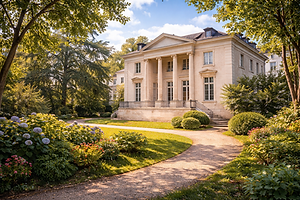
Nicknamed "Ménilmuche" by its residents, this neighborhood has retained a working-class village atmosphere.

Notre-Dame-de-la-Croix Church: An imposing church that overlooks the neighborhood, its steps a favorite meeting place for locals.

Nightlife: Rue de Ménilmontant and Rue Boyer are home to legendary venues like La Maroquinerie and La Bellevilloise, nerve centers of the independent music and cultural scene.

Neighborhood spirit: Here, café terraces are an extension of living rooms, and you can still feel that typically Parisian sense of community and lively banter.

Located in the hills of eastern Paris, the 20th arrondissement is a place of character. It's home to the steepest alleyways, the most secluded gardens, and a vibrant popular culture. Between the solemn silence of Père-Lachaise cemetery and the artistic energy of Belleville, the 20th offers a human and cosmopolitan side of Paris, far removed from postcard clichés, yet strikingly beautiful.

Père-Lachaise: The City of Silence

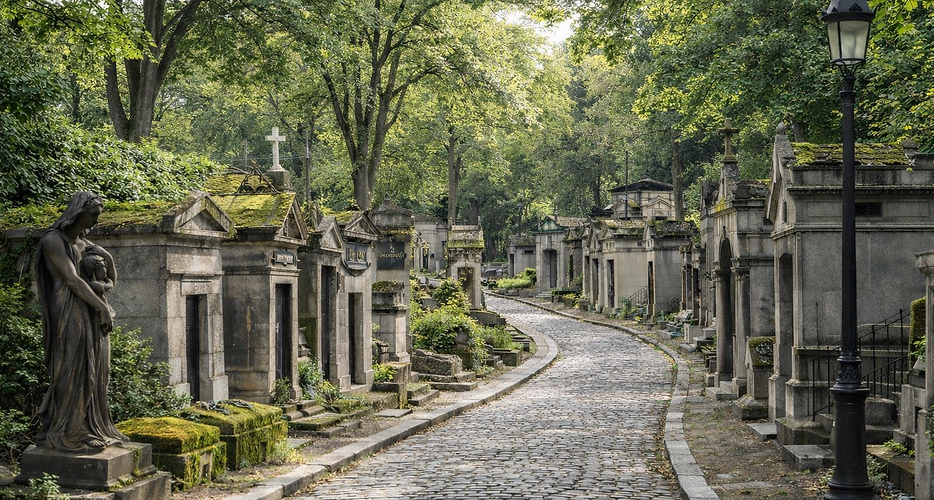
It's the most visited cemetery in the world, a veritable city within a city where funerary art reaches poetic heights.

The Pantheon of Celebrities: People come here to pay homage to Jim Morrison, Édith Piaf, Oscar Wilde, Molière, and Marcel Proust. Each tomb is a page of history.

A Romantic Garden: Spanning 44 hectares and boasting thousands of trees, it's one of the largest green spaces in Paris. Its rolling paths and cobbled walkways invite timeless contemplation.

The Communards' Wall: A powerful memorial site that recalls the final battles of the Paris Commune, bearing witness to the district's revolutionary past.

Nicknamed "Ménilmuche" by its residents, this neighborhood has retained a working-class village atmosphere.

Notre-Dame-de-la-Croix Church: An imposing church that overlooks the neighborhood, its steps a favorite meeting place for locals.

Nightlife: Rue de Ménilmontant and Rue Boyer are home to legendary venues like La Maroquinerie and La Bellevilloise, nerve centers of the independent music and cultural scene.

Neighborhood spirit: Here, café terraces are an extension of living rooms, and you can still feel that typically Parisian sense of community and lively banter.
Nicknamed "Ménilmuche" by its residents, this neighborhood has retained a working-class village atmosphere.

Notre-Dame-de-la-Croix Church: An imposing church that overlooks the neighborhood, its steps a favorite meeting place for locals.

Nightlife: Rue de Ménilmontant and Rue Boyer are home to legendary venues like La Maroquinerie and La Bellevilloise, nerve centers of the independent music and cultural scene.

Neighborhood spirit: Here, café terraces are an extension of living rooms, and you can still feel that typically Parisian sense of community and lively banter.
Nicknamed "Ménilmuche" by its residents, this neighborhood has retained a working-class village atmosphere.

Notre-Dame-de-la-Croix Church: An imposing church that overlooks the neighborhood, its steps a favorite meeting place for locals.

Nightlife: Rue de Ménilmontant and Rue Boyer are home to legendary venues like La Maroquinerie and La Bellevilloise, nerve centers of the independent music and cultural scene.

Neighborhood spirit: Here, café terraces are an extension of living rooms, and you can still feel that typically Parisian sense of community and lively banter.

Belleville: Between panorama and diversity
Nicknamed "Ménilmuche" by its residents, this neighborhood has retained a working-class village atmosphere.

Notre-Dame-de-la-Croix Church: An imposing church that overlooks the neighborhood, its steps a favorite meeting place for locals.

Nightlife: Rue de Ménilmontant and Rue Boyer are home to legendary venues like La Maroquinerie and La Bellevilloise, nerve centers of the independent music and cultural scene.

Neighborhood spirit: Here, café terraces are an extension of living rooms, and you can still feel that typically Parisian sense of community and lively banter.

A hilly neighborhood that boasts one of the richest cultural mixes in the capital.

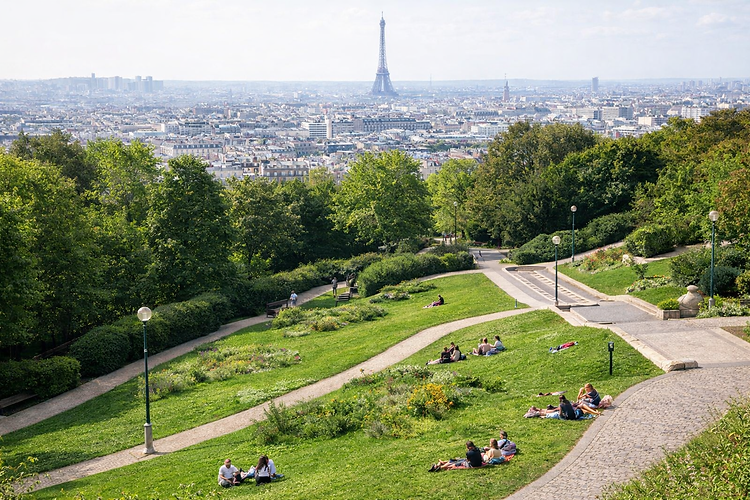
Belleville Park: Less well-known than the Buttes-Chaumont, it nevertheless offers one of the most unobstructed views of the Eiffel Tower and the Parisian skyline from its belvedere.

Rue Denoyez: A haven for street art. Every inch of wall is covered in graffiti and colorful murals that change according to the inspirations of local artists.

Gourmet cosmopolitanism: Belleville is famous for its authentic Asian restaurants, Tunisian eateries, and trendy new cafes that bring life to the lower part of the hill.

Nicknamed "Ménilmuche" by its residents, this neighborhood has retained a working-class village atmosphere.

Notre-Dame-de-la-Croix Church: An imposing church that overlooks the neighborhood, its steps a favorite meeting place for locals.

Nightlife: Rue de Ménilmontant and Rue Boyer are home to legendary venues like La Maroquinerie and La Bellevilloise, nerve centers of the independent music and cultural scene.

Neighborhood spirit: Here, café terraces are an extension of living rooms, and you can still feel that typically Parisian sense of community and lively banter.

Ménilmontant: The soul of old Paris

Nicknamed "Ménilmuche" by its residents, this neighborhood has retained a working-class village atmosphere.

Notre-Dame-de-la-Croix Church: An imposing church that overlooks the neighborhood, its steps a favorite meeting place for locals.

Nightlife: Rue de Ménilmontant and Rue Boyer are home to legendary venues like La Maroquinerie and La Bellevilloise, nerve centers of the independent music and cultural scene.

Neighborhood spirit: Here, café terraces are an extension of living rooms, and you can still feel that typically Parisian sense of community and lively banter.

Nicknamed "Ménilmuche" by its residents, this neighborhood has retained a working-class village atmosphere.

Notre-Dame-de-la-Croix Church: An imposing church that overlooks the neighborhood, its steps a favorite meeting place for locals.

Nightlife: Rue de Ménilmontant and Rue Boyer are home to legendary venues like La Maroquinerie and La Bellevilloise, nerve centers of the independent music and cultural scene.

Neighborhood spirit: Here, café terraces are an extension of living rooms, and you can still feel that typically Parisian sense of community and lively banter.

Countryside in Paris and Charonne: Havens of Peace

The southern part of the district hides some truly unexpected havens of tranquility.

La Campagne à Paris: A housing development of brick houses and flower-filled gardens perched on a hill near the Porte de Bagnolet. It's an idyllic micro-neighborhood where time seems to have stood still.

Saint-Germain de Charonne Church: One of the few churches in Paris to have retained its small adjoining parish cemetery, offering the image of a medieval village in the heart of the city.

The Pavillon de l'Ermitage: The only remaining vestige of the Château de Bagnolet estate, it's a jewel of Regency architecture tucked away in a peaceful garden.

Nicknamed "Ménilmuche" by its residents, this neighborhood has retained a working-class village atmosphere.

Notre-Dame-de-la-Croix Church: An imposing church that overlooks the neighborhood, its steps a favorite meeting place for locals.

Nightlife: Rue de Ménilmontant and Rue Boyer are home to legendary venues like La Maroquinerie and La Bellevilloise, nerve centers of the independent music and cultural scene.

Neighborhood spirit: Here, café terraces are an extension of living rooms, and you can still feel that typically Parisian sense of community and lively banter.

The Petite Ceinture and the Secret Alleyways

The 20th arrondissement is a haven for hidden paths and community gardens.

The Petite Ceinture: A section of the former circular railway line has been transformed into an ecological walkway, allowing visitors to stroll amidst unspoiled nature.

Villa de l'Ermitage and Cité Leroy: Two idyllic alleyways where artists' studios mingle with climbing plants, creating an English countryside atmosphere.

The Jardin Naturel: Located at the foot of Père-Lachaise Cemetery, this garden is managed without pesticides or fertilizers, allowing local flora to flourish freely.

Conclusion

The 20th arrondissement proves that Paris is not a static museum, but a living, ever-changing organism. It's the district of happy nostalgia, untamed artistic creation, and community spirit. Wandering its hills, you discover a Paris that breathes, that sings (following in the footsteps of Edith Piaf), and that reminds us that beauty often lies in the simplicity of a flower-filled alleyway or a sunset over the rooftops.

Town Hall of the 20th arrondissement

Information Regarding Visuals: This website uses computer-generated images and illustrations created by artificial intelligence for atmospheric and stylistic purposes. These representations are not actual photographs and are strictly non-binding.

bottom of page