
Narbonne

The first Roman colony founded outside of Italy, Narbonne is a magnificent city of art and history ideally located in the Aude department of the Occitanie region. Bisected by the picturesque Canal de la Robine, this sun-drenched city offers a captivating journey through time, where the grandeur of Roman antiquity blends with the majesty of the Gothic Middle Ages. Just a few kilometers from the Mediterranean Sea and surrounded by unspoiled lagoons, Narbonne cultivates a vibrant and welcoming, typically southern lifestyle.
The legacy of Narbo Martius — In the footsteps of the Romans
With its rich history as the prestigious capital of Gallia Narbonensis, the city has preserved precious vestiges of its Roman golden age, showcased by ultra-modern structures.
The Narbo Via Museum: Designed by the renowned architectural firm Foster + Partners, this large contemporary museum is a marvel. Its centerpiece is an immense modular wall composed of 760 sculpted stone blocks from Roman necropolises. The exhibition offers a fascinating immersion into daily life in antiquity through frescoes, mosaics, and rare artifacts.
The Via Domitia: Located in the heart of the city, on the Place de l'Hôtel de Ville (Town Hall Square), an excavated section of the first Roman road built in Gaul allows visitors to literally walk in the footsteps of legionaries and merchants of old.
The Roman Horreum: This impressive network of underground galleries dating from the 1st century BC corresponds to an ancient covered market or warehouse. Wandering through these dark and cool stone corridors offers a mysterious and unusual experience.


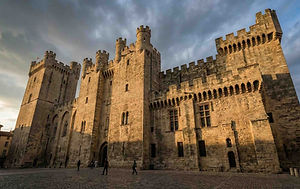
The monumental medieval archiepiscopal complex

In the Middle Ages, Narbonne once again became a major center of power. Its historic heart is dominated by a fortified complex unique in France, a testament to the power of the archbishops.
The Cathedral of Saint-Just-et-Saint-Pasteur: This monument is striking for its unique silhouette. Designed in the 13th century, modeled after the great cathedrals of northern France, it remained unfinished (only the choir was built to avoid destroying the Roman walls of the time). Its Gothic vaults nevertheless rise to a height of over 40 meters, and its cloister is a haven of peace.
The Archbishop's Palace: This vast architectural complex is divided between the Old Palace, of Romanesque origin, and the New Palace, in the Gothic style. Its façade, flanked by tall defensive towers, now houses the Town Hall as well as the art and history museums.
The Gilles Aycelin Keep: For the bravest, climbing the 162 steps of this 14th-century tower offers an exceptional reward: a 360-degree panoramic view of the city rooftops, the canal, the Clape massif and the coastline.

Romantic stroll along the Canal de la Robine
Water brings a freshness and a touch of poetry essential to the atmosphere of Narbonne. The canal is the backbone of the local way of life.
The Canal de la Robine: A UNESCO World Heritage Site, this former branch of the Aude River runs right through the city center. Its landscaped banks, shaded by centuries-old plane trees, are ideal for a stroll or a bike ride.
The Pont des Marchands (Merchants' Bridge): This is one of the few remaining inhabited bridges in France (similar to the Ponte Vecchio in Florence). Beneath its arches, the canal flows peacefully, while above, the houses shelter charming pedestrian shops.
The Marina: Located on the edge of the city center, this urban port welcomes boaters navigating the Canal du Midi and the Robine, creating a relaxed, maritime atmosphere inland.


Wild nature and seaside escapes
Ideally located, Narbonne offers access in just a few minutes to unspoiled landscapes boasting rich biodiversity and vast stretches of fine sand.
The Narbonnaise Regional Natural Park: This protected area surrounds the city. It comprises immense salt ponds (such as the Bages-Sigean pond), lagoons, and pink salt marshes. It's a paradise for observing flamingos and migratory birds.
The Village of Bages: Perched on its rocky spur overlooking the lagoon, this former fishing village with its steep, winding streets has retained a wild and captivating charm, much appreciated by painters and those seeking tranquility.
Narbonne-Plage: Located about fifteen kilometers away, after crossing the pine forests of La Clape, this family-friendly seaside resort boasts five kilometers of fine sandy beach, perfect for swimming, beach volleyball, and water sports.

Gourmet local produce and the legendary Narbonne market halls
Narbonne is a capital of southern French gastronomy, celebrated for its lively markets and the rich vineyards that surround it.
The Narbonne Market Hall: Voted several times among the most beautiful markets in France, this magnificent Baltard-style building (brick, glass, and wrought iron) dates back to 1901. Every morning, it's a festival of colors, scents, and accents. You can grab a quick bite, right at the counter of the famous rotisseries, enjoying fresh meats and fish of the day.
The Clape Massif and its wines: This former rocky islet, now a wild massif, borders the city. Its limestone slopes are home to the AOC La Clape, a renowned vineyard that produces full-bodied red wines and remarkably fresh, sea-inspired white wines, bursting with sunshine and the aromas of the garrigue.
Les Grands Buffets: World-renowned, this exceptional restaurant in the city revives the splendor of classic French banquets. It offers a gargantuan buffet, unique in the world, showcasing the finest local produce (foie gras, lobsters, rotisserie meats, and the largest cheese platter in a restaurant worldwide).
Conclusion
Narbonne is a vibrant and captivating destination that entices visitors with the incredible depth of its history. Far from being limited to its glorious Roman stones or the majesty of its unfinished cathedral, this city in the Aude region pulsates to the rhythm of its canal and the lively chatter of its gourmet markets. Whether you choose to come to walk along the two-thousand-year-old pavement of the Via Domitia, savor a glass of white wine on the heights of La Clape, or enjoy a nature escape among the flamingos of its lagoons, Narbonne offers a concentrated dose of authentic, generous, and profoundly memorable Mediterranean charm.
Narbonne Tourist Office (Côte du Midi)
Information Regarding Visuals: This website uses computer-generated images and illustrations created by artificial intelligence for atmospheric and stylistic purposes. These representations are not actual photographs and are strictly non-binding.