top of page

Mende

Rising like a vertical limestone wall directly above the town, Mount Mimat is Mende's sacred mountain and unmissable natural viewpoint.

The Hermitage of Saint Privat: Clinging to the cliffside amidst a pine forest, this major spiritual site in the region houses the cave where Privat, the 3rd-century martyr and evangelizer of Gévaudan, lived. It is a peaceful pilgrimage site conducive to meditation.

The Cross of Mount Mimat and the viewing walkways: Erected at the summit of the plateau, this monumental iron cross overlooks the void. From the orientation table, the panorama is breathtaking: the town of Mende unfolds at your feet like a model, surrounded by the endless horizons of the Margeride and Aubrac regions.

The former airfield and pop culture: The flat, wild summit plateau is home to the Mende-Brenoux airfield. Film buffs will instantly recognize the filming location of the cult final scene of the film La Grande Vadrouille, where Louis de Funès and Bourvil take flight.

Nestled in the heart of the upper Lot Valley, framed by the impressive limestone cliffs of the Grands Causses, Mende is the best-kept secret of the Lozère. The prefecture of France's least populated department, this thousand-year-old city, designated a City of Art and History, exudes a discreet, authentic, and profoundly restorative charm. The former capital of the Gévaudan region, Mende flourishes at the crossroads of wild landscapes listed as UNESCO World Heritage sites (the Causses and the Cévennes). Between the monumental silhouette of its Gothic cathedral, the maze of its medieval streets with their southern flair, and the raw power of its mountainous landscape, it offers a regal retreat for travelers seeking truth, tranquility, and preserved heritage.

The Cathedral of Our Lady and Saint Privat, a giant of faith and legends

Majestically dominating the city's slate roofs, the Cathedral of Notre-Dame-et-Saint-Privat is a Gothic masterpiece whose foundation stone was laid in the 14th century under the impetus of Pope Urban V, who hailed from Lozère.

The striking visual contrast of the two bell towers: The asymmetry of its façade is its unique architectural signature. The large bell tower, in a flamboyant Gothic style of unparalleled finesse, rises to a height of 84 meters, while its more understated and squat neighbor reaches 65 meters. This duality gives the building a striking, theatrical appearance.

The legend of the "Non-Pareille" bell: In the 16th century, the cathedral housed the largest bell in Christendom, the Non-Pareille, whose broken clapper can still be seen inside. Its drone, it was said, could be heard for miles around across the limestone plateaus before it was destroyed during the Wars of Religion.

The Aubusson tapestries and the Black Madonna: As you enter the nave, admire the collection of 17th-century Aubusson tapestries that adorn the choir, as well as the 12th-century walnut statue of the Black Madonna, an object of deep local devotion.

Rising like a vertical limestone wall directly above the town, Mount Mimat is Mende's sacred mountain and unmissable natural viewpoint.

The Hermitage of Saint Privat: Clinging to the cliffside amidst a pine forest, this major spiritual site in the region houses the cave where Privat, the 3rd-century martyr and evangelizer of Gévaudan, lived. It is a peaceful pilgrimage site conducive to meditation.

The Cross of Mount Mimat and the viewing walkways: Erected at the summit of the plateau, this monumental iron cross overlooks the void. From the orientation table, the panorama is breathtaking: the town of Mende unfolds at your feet like a model, surrounded by the endless horizons of the Margeride and Aubrac regions.

The former airfield and pop culture: The flat, wild summit plateau is home to the Mende-Brenoux airfield. Film buffs will instantly recognize the filming location of the cult final scene of the film La Grande Vadrouille, where Louis de Funès and Bourvil take flight.
Rising like a vertical limestone wall directly above the town, Mount Mimat is Mende's sacred mountain and unmissable natural viewpoint.

The Hermitage of Saint Privat: Clinging to the cliffside amidst a pine forest, this major spiritual site in the region houses the cave where Privat, the 3rd-century martyr and evangelizer of Gévaudan, lived. It is a peaceful pilgrimage site conducive to meditation.

The Cross of Mount Mimat and the viewing walkways: Erected at the summit of the plateau, this monumental iron cross overlooks the void. From the orientation table, the panorama is breathtaking: the town of Mende unfolds at your feet like a model, surrounded by the endless horizons of the Margeride and Aubrac regions.

The former airfield and pop culture: The flat, wild summit plateau is home to the Mende-Brenoux airfield. Film buffs will instantly recognize the filming location of the cult final scene of the film La Grande Vadrouille, where Louis de Funès and Bourvil take flight.
Rising like a vertical limestone wall directly above the town, Mount Mimat is Mende's sacred mountain and unmissable natural viewpoint.

The Hermitage of Saint Privat: Clinging to the cliffside amidst a pine forest, this major spiritual site in the region houses the cave where Privat, the 3rd-century martyr and evangelizer of Gévaudan, lived. It is a peaceful pilgrimage site conducive to meditation.

The Cross of Mount Mimat and the viewing walkways: Erected at the summit of the plateau, this monumental iron cross overlooks the void. From the orientation table, the panorama is breathtaking: the town of Mende unfolds at your feet like a model, surrounded by the endless horizons of the Margeride and Aubrac regions.

The former airfield and pop culture: The flat, wild summit plateau is home to the Mende-Brenoux airfield. Film buffs will instantly recognize the filming location of the cult final scene of the film La Grande Vadrouille, where Louis de Funès and Bourvil take flight.

The historic center, a medieval labyrinth along the water

Rising like a vertical limestone wall directly above the town, Mount Mimat is Mende's sacred mountain and unmissable natural viewpoint.

The Hermitage of Saint Privat: Clinging to the cliffside amidst a pine forest, this major spiritual site in the region houses the cave where Privat, the 3rd-century martyr and evangelizer of Gévaudan, lived. It is a peaceful pilgrimage site conducive to meditation.

The Cross of Mount Mimat and the viewing walkways: Erected at the summit of the plateau, this monumental iron cross overlooks the void. From the orientation table, the panorama is breathtaking: the town of Mende unfolds at your feet like a model, surrounded by the endless horizons of the Margeride and Aubrac regions.

The former airfield and pop culture: The flat, wild summit plateau is home to the Mende-Brenoux airfield. Film buffs will instantly recognize the filming location of the cult final scene of the film La Grande Vadrouille, where Louis de Funès and Bourvil take flight.

The old heart of Mende is laid out around a tight network of cobbled streets that have retained their medieval circular layout, once protected by ramparts.

The Notre-Dame Bridge (13th century): Spanning the Lot River with a single gray granite arch, this medieval bridge is the city's most famous civic monument. Having withstood the river's floods for centuries, it offers a picture-postcard view of the former tanners' quarter.

Half-timbered houses and small squares: Strolling from Place au Blé to Place René-Estoup, admire the magnificent 15th- and 16th-century facades. The roofs, known as "inverted ship's hull" roofs, and the corbels of wood and white limestone shelter small, hidden courtyards.

The Tower of the Penitents: The only surviving vestige of the old medieval fortifications dismantled in the 18th century, this tall square watchtower made of local stone recalls the defensive past of the episcopal city.

Rising like a vertical limestone wall directly above the town, Mount Mimat is Mende's sacred mountain and unmissable natural viewpoint.

The Hermitage of Saint Privat: Clinging to the cliffside amidst a pine forest, this major spiritual site in the region houses the cave where Privat, the 3rd-century martyr and evangelizer of Gévaudan, lived. It is a peaceful pilgrimage site conducive to meditation.

The Cross of Mount Mimat and the viewing walkways: Erected at the summit of the plateau, this monumental iron cross overlooks the void. From the orientation table, the panorama is breathtaking: the town of Mende unfolds at your feet like a model, surrounded by the endless horizons of the Margeride and Aubrac regions.

The former airfield and pop culture: The flat, wild summit plateau is home to the Mende-Brenoux airfield. Film buffs will instantly recognize the filming location of the cult final scene of the film La Grande Vadrouille, where Louis de Funès and Bourvil take flight.

Mount Mimat, the hermitage and the balcony of Lozère

Rising like a vertical limestone wall directly above the town, Mount Mimat is Mende's sacred mountain and unmissable natural viewpoint.

The Hermitage of Saint Privat: Clinging to the cliffside amidst a pine forest, this major spiritual site in the region houses the cave where Privat, the 3rd-century martyr and evangelizer of Gévaudan, lived. It is a peaceful pilgrimage site conducive to meditation.

The Cross of Mount Mimat and the viewing walkways: Erected at the summit of the plateau, this monumental iron cross overlooks the void. From the orientation table, the panorama is breathtaking: the town of Mende unfolds at your feet like a model, surrounded by the endless horizons of the Margeride and Aubrac regions.

The former airfield and pop culture: The flat, wild summit plateau is home to the Mende-Brenoux airfield. Film buffs will instantly recognize the filming location of the cult final scene of the film La Grande Vadrouille, where Louis de Funès and Bourvil take flight.

Rising like a vertical limestone wall directly above the town, Mount Mimat is Mende's sacred mountain and unmissable natural viewpoint.

The Hermitage of Saint Privat: Clinging to the cliffside amidst a pine forest, this major spiritual site in the region houses the cave where Privat, the 3rd-century martyr and evangelizer of Gévaudan, lived. It is a peaceful pilgrimage site conducive to meditation.

The Cross of Mount Mimat and the viewing walkways: Erected at the summit of the plateau, this monumental iron cross overlooks the void. From the orientation table, the panorama is breathtaking: the town of Mende unfolds at your feet like a model, surrounded by the endless horizons of the Margeride and Aubrac regions.

The former airfield and pop culture: The flat, wild summit plateau is home to the Mende-Brenoux airfield. Film buffs will instantly recognize the filming location of the cult final scene of the film La Grande Vadrouille, where Louis de Funès and Bourvil take flight.

The Gévaudan Museum, the jewel of Lozère culture

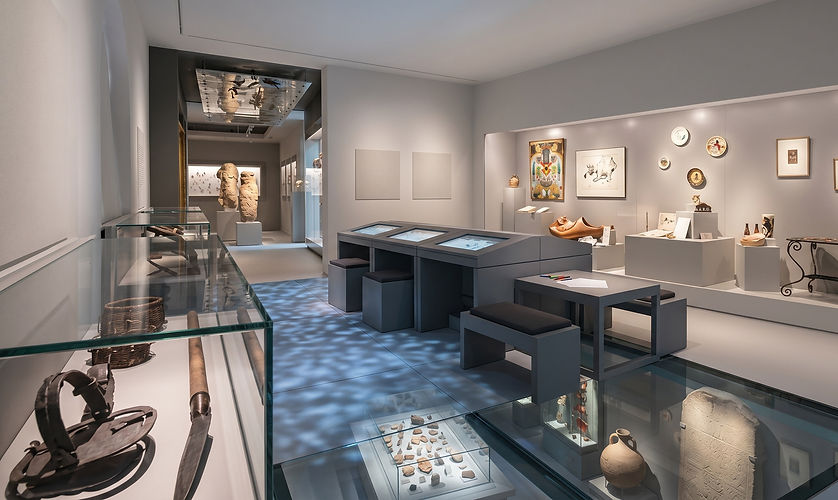
Inaugurated in a modern setting within the magnificent 17th-century Hôtel de Ressouches, the Musée du Gévaudan is the city's cultural beacon, blending art, history, and local folklore.

Art and Life in Haute-Auvergne: Through luminous and interactive displays, the museum presents rich Gallo-Roman archaeological collections, pieces of medieval sacred art, and everyday mountain objects, tracing the adaptation of people to this harsh landscape.

The Myth of the Beast of Gévaudan: The museum dedicates a captivating space to the historical enigma that terrorized the region in the 18th century. Between period engravings, official documents, and artistic representations, visitors are immersed in the story of this monstrous wolf that forged the region's dark legend.

The appreciation of nature: An entire section highlights the unique fauna, flora and geology of Lozère, explaining the formation of the spectacular canyons of the Gorges du Tarn located a few kilometers away.

Rising like a vertical limestone wall directly above the town, Mount Mimat is Mende's sacred mountain and unmissable natural viewpoint.

The Hermitage of Saint Privat: Clinging to the cliffside amidst a pine forest, this major spiritual site in the region houses the cave where Privat, the 3rd-century martyr and evangelizer of Gévaudan, lived. It is a peaceful pilgrimage site conducive to meditation.

The Cross of Mount Mimat and the viewing walkways: Erected at the summit of the plateau, this monumental iron cross overlooks the void. From the orientation table, the panorama is breathtaking: the town of Mende unfolds at your feet like a model, surrounded by the endless horizons of the Margeride and Aubrac regions.

The former airfield and pop culture: The flat, wild summit plateau is home to the Mende-Brenoux airfield. Film buffs will instantly recognize the filming location of the cult final scene of the film La Grande Vadrouille, where Louis de Funès and Bourvil take flight.

Local flavors and wide open spaces of the Causses

Mende can also be savored through its hearty and authentic mountain cuisine, born from a preserved pastoral economy.

The Traditional Market (Saturdays): This is the unmissable meeting place for local producers in the Place de la République. The stalls overflow with local charcuterie (mountain sausages, offal), wild heather honey, porcini mushrooms from the Margeride forests, and the famous Coupe Haute, a local pie.

Aligot and Truffade at the Summit: In Mende's inns, share in the ritual of aligot, this potato purée meticulously worked by hand with fresh, raw-milk Aubun cheese to create a spectacular, stretchy ribbon, traditionally served with a grilled local sausage.

The gateway to the Cévennes National Park: Mende is the ideal starting point for exploring hiking trails (like the legendary Stevenson Trail GR70) or for trying out nature sports: via ferrata on the cliffs of Mont Mimat, canoeing down the clear waters of the Lot or exploring the arid steppes of the Causse de Sauveterre.

Conclusion

Mende is a destination of character, appealing to travelers seeking authenticity, fresh air, and serenity. From the granite spires of its cathedral bathed in light to the sacred forest trails of Mount Mimat, and the warm welcome of its mountain markets, the capital of Lozère charms with its quiet strength. By successfully blending the richness of its past as an episcopal city with the unspoiled preservation of its exceptional natural environment, this citadel of the Gévaudan region stands out as a luminous and profoundly restorative stopover. A discreet city from which one departs with a mind soothed by the silence of its vast limestone plateaus and a heart captivated by the nobility of its stone.

Mende Cœur Lozère Tourist Office

Information Regarding Visuals: This website uses computer-generated images and illustrations created by artificial intelligence for atmospheric and stylistic purposes. These representations are not actual photographs and are strictly non-binding.

bottom of page