top of page

Grenoble

Grenoble is a "Garden City" that constantly reinvents itself to integrate nature with concrete.

Paul Mistral Park: A true green lung of 27 hectares in the heart of the city, it is home to the Perret Tower, the first reinforced concrete tower in Europe, and the remains of the 1968 Olympic Games.

The Bonne Eco-district: The first of its kind in France, this district, built on former barracks, symbolizes the city's commitment to sustainable and green urban planning.

The Botanical Garden: A haven of peace that houses the Natural History Museum and tropical greenhouses, offering an exotic interlude at the foot of the mountains.

Grenoble is a city that unfolds in all its diversity. The cradle of the French Revolution and a pioneer in hydroelectric power, it has transformed its location in an Alpine basin into a creative force. Between its historic districts with their Italianate influences and its cutting-edge technology campuses, it offers a multifaceted experience: that of a city where, in the same day, you can explore a 19th-century fort and escape to eternal glaciers.

The Bastille and its Iconic Bubbles

It is the ultimate symbol of the city, a stone sentinel watching over the people of Grenoble from the heights of the Chartreuse mountains.

The Cable Car: The world's first urban cable car, its famous circular and transparent cabins, the "Bubbles," whisk you from the city center to the summit in just a few minutes, offering a spectacular panoramic view.

The Bastille Fort: This 19th-century military complex is a maze of curtain walls and casemates. Today, it houses contemporary art centers and panoramic restaurants.

The Giant's Staircase: For the more athletic, the climb on foot via the paths of the Jardin des Dauphins (Garden of the Dolphins) offers a botanical immersion between the fortification walls and the limestone cliffs.

Grenoble is a "Garden City" that constantly reinvents itself to integrate nature with concrete.

Paul Mistral Park: A true green lung of 27 hectares in the heart of the city, it is home to the Perret Tower, the first reinforced concrete tower in Europe, and the remains of the 1968 Olympic Games.

The Bonne Eco-district: The first of its kind in France, this district, built on former barracks, symbolizes the city's commitment to sustainable and green urban planning.

The Botanical Garden: A haven of peace that houses the Natural History Museum and tropical greenhouses, offering an exotic interlude at the foot of the mountains.
Grenoble is a "Garden City" that constantly reinvents itself to integrate nature with concrete.

Paul Mistral Park: A true green lung of 27 hectares in the heart of the city, it is home to the Perret Tower, the first reinforced concrete tower in Europe, and the remains of the 1968 Olympic Games.

The Bonne Eco-district: The first of its kind in France, this district, built on former barracks, symbolizes the city's commitment to sustainable and green urban planning.

The Botanical Garden: A haven of peace that houses the Natural History Museum and tropical greenhouses, offering an exotic interlude at the foot of the mountains.
Grenoble is a "Garden City" that constantly reinvents itself to integrate nature with concrete.

Paul Mistral Park: A true green lung of 27 hectares in the heart of the city, it is home to the Perret Tower, the first reinforced concrete tower in Europe, and the remains of the 1968 Olympic Games.

The Bonne Eco-district: The first of its kind in France, this district, built on former barracks, symbolizes the city's commitment to sustainable and green urban planning.

The Botanical Garden: A haven of peace that houses the Natural History Museum and tropical greenhouses, offering an exotic interlude at the foot of the mountains.

Old Grenoble and the Dauphiné Heritage

Grenoble is a "Garden City" that constantly reinvents itself to integrate nature with concrete.

Paul Mistral Park: A true green lung of 27 hectares in the heart of the city, it is home to the Perret Tower, the first reinforced concrete tower in Europe, and the remains of the 1968 Olympic Games.

The Bonne Eco-district: The first of its kind in France, this district, built on former barracks, symbolizes the city's commitment to sustainable and green urban planning.

The Botanical Garden: A haven of peace that houses the Natural History Museum and tropical greenhouses, offering an exotic interlude at the foot of the mountains.

At the foot of the mountain, the historic center reveals the medieval and parliamentary soul of the former capital of the Dauphiné.

Place Saint-André: The beating heart of the city, it is bordered by the Palais du Parlement du Dauphiné, a Gothic and Renaissance masterpiece, and by the "Café de la Table Ronde," one of the oldest cafés in France.

The Antiques Quarter: A maze of cobbled streets and hidden courtyards where art galleries, design boutiques, and antiquarian bookstores flourish.

Place Grenette: Once a grain market, it is now a favorite spot for sunny terraces, where one can savor the gentle Dauphiné lifestyle facing the water tower fountain.

Grenoble is a "Garden City" that constantly reinvents itself to integrate nature with concrete.

Paul Mistral Park: A true green lung of 27 hectares in the heart of the city, it is home to the Perret Tower, the first reinforced concrete tower in Europe, and the remains of the 1968 Olympic Games.

The Bonne Eco-district: The first of its kind in France, this district, built on former barracks, symbolizes the city's commitment to sustainable and green urban planning.

The Botanical Garden: A haven of peace that houses the Natural History Museum and tropical greenhouses, offering an exotic interlude at the foot of the mountains.

The City of Parks and Green Innovation

Grenoble is a "Garden City" that constantly reinvents itself to integrate nature with concrete.

Paul Mistral Park: A true green lung of 27 hectares in the heart of the city, it is home to the Perret Tower, the first reinforced concrete tower in Europe, and the remains of the 1968 Olympic Games.

The Bonne Eco-district: The first of its kind in France, this district, built on former barracks, symbolizes the city's commitment to sustainable and green urban planning.

The Botanical Garden: A haven of peace that houses the Natural History Museum and tropical greenhouses, offering an exotic interlude at the foot of the mountains.

Grenoble is a "Garden City" that constantly reinvents itself to integrate nature with concrete.

Paul Mistral Park: A true green lung of 27 hectares in the heart of the city, it is home to the Perret Tower, the first reinforced concrete tower in Europe, and the remains of the 1968 Olympic Games.

The Bonne Eco-district: The first of its kind in France, this district, built on former barracks, symbolizes the city's commitment to sustainable and green urban planning.

The Botanical Garden: A haven of peace that houses the Natural History Museum and tropical greenhouses, offering an exotic interlude at the foot of the mountains.

A terroir between plains and peaks

Grenoble's cuisine reflects its region: generous, authentic, and delicious.

Grenoble Walnuts: The first walnut in the world to receive an AOC (Protected Designation of Origin), it can be enjoyed in all its forms, from fragrant oil to melt-in-your-mouth cakes.

Gratin Dauphinois: The region's iconic dish, a perfect combination of tender potatoes and cream, which every restaurant on Place Saint-André takes pride in preparing.

Chartreuse: Produced a few kilometers away by the monks of the Grande Chartreuse monastery, this liqueur made with 130 plants is the essential digestif on any Isère table.
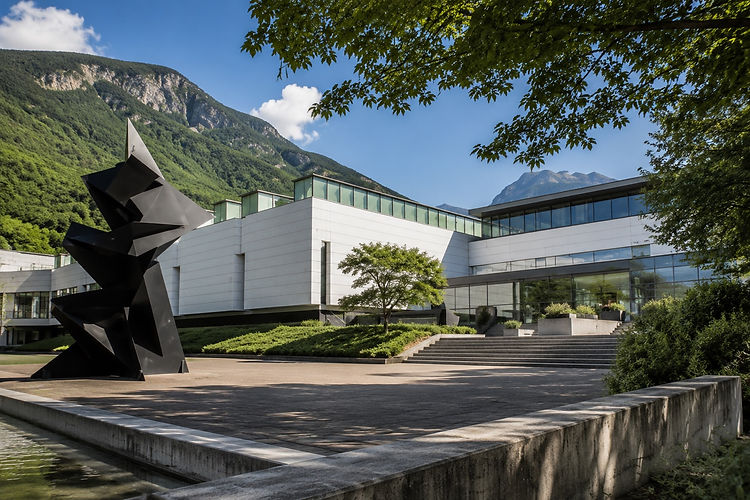
Grenoble is a "Garden City" that constantly reinvents itself to integrate nature with concrete.

Paul Mistral Park: A true green lung of 27 hectares in the heart of the city, it is home to the Perret Tower, the first reinforced concrete tower in Europe, and the remains of the 1968 Olympic Games.

The Bonne Eco-district: The first of its kind in France, this district, built on former barracks, symbolizes the city's commitment to sustainable and green urban planning.

The Botanical Garden: A haven of peace that houses the Natural History Museum and tropical greenhouses, offering an exotic interlude at the foot of the mountains.

Exceptional Museums and Cultural Avant-Garde

Grenoble cultivates a thirst for learning and contemplation, reflected in its world-class museums.

The Grenoble Museum: Considered one of the most prestigious fine arts museums in Europe, it boasts an exceptional collection ranging from ancient Egyptian art to modern art (Picasso, Matisse, Warhol).

The Dauphinois Museum: Housed in a former convent perched on the slopes, it movingly recounts the lives of mountain people, the history of skiing, and Alpine traditions.

The Street Art Fest: The city has become an open-air museum. Every year, monumental murals brighten the facades of buildings, making Grenoble one of Europe's capitals of urban art.

Conclusion

Grenoble is a city that leaves no one indifferent. It commands respect with the sheer verticality of its mountains (Vercors, Chartreuse, Belledonne) and captivates with its vibrant cultural and technological scene. Whether you come to conquer the Bastille, marvel at a Picasso, or hit the nearby ski slopes, the capital of the Alps offers that rare feeling of being both at the center of the world and on the threshold of wild adventure.

Grenoble Alpes Tourist Office

Information Regarding Visuals: This website uses computer-generated images and illustrations created by artificial intelligence for atmospheric and stylistic purposes. These representations are not actual photographs and are strictly non-binding.

bottom of page